On this page
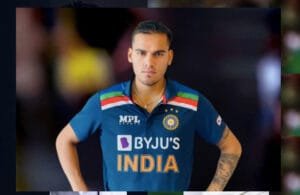
Rohit Sharma biography follows one of India’s most accomplished modern batters and a captain associated with major international trophies. His career spans early inconsistency, a reinvention as a top-order player, outstanding one-day scoring records and the challenge of leading a team under intense expectations.
Who is Rohit Sharma?
Rohit Sharma is an Indian international cricketer known for timing, aggressive opening batting and leadership across formats. He captained India to the 2024 Men’s T20 World Cup and the 2025 ICC Champions Trophy. He retired from T20 internationals after the 2024 triumph and announced his retirement from Test cricket in May 2025, while continuing his one-day international career.
Quick Facts
| Full name | Rohit Gurunath Sharma |
|---|---|
| Date of birth | 30 April 1987 |
| Nationality | Indian |
| Sport | Cricket |
| International ODI debut | 2007 |
| Test debut | 2013 |
| T20I retirement | June 2024 |
| Test retirement | May 2025 |
| Captaincy milestones | 2024 T20 World Cup; 2025 Champions Trophy |
Early International Career and Adaptation
Rohit reached international cricket in 2007, but his eventual status as a leading opener was not inevitable. Like many promising batters, he spent periods trying to translate technique and natural shot-making into consistent results. The ICC notes that his Test career began in 2013, years after his one-day debut, and that he became a regular Test opener later in his career.
This progression is an important part of the biography. Success in professional sport can depend on finding the right role, changing preparation and being given enough time to adapt. Sharma’s later records should not erase the uncertainty of those earlier years.
A Defining ODI Batting Record
One of Sharma’s most widely documented achievements is his individual score of 264 against Sri Lanka in 2014, which the ICC has highlighted in its career reporting. That innings illustrates the scale of his ability to convert a good start into an exceptionally large score.
In September 2026, ICC coverage reported that he became the seventh batter to reach 12,000 runs in men’s one-day internationals. A career total like this matters not only because of a spectacular individual peak but also because it represents prolonged participation and consistent selection.
Leading India to the 2024 T20 World Cup
In June 2024, India defeated South Africa to win the Men’s T20 World Cup. Sharma subsequently confirmed his retirement from T20 internationals. The decision meant he left that international format at the moment of a defining team achievement.
His captaincy had to account for specialists, all-rounders and the rhythm of short matches. A captain does not take every wicket or score every run; leadership is also visible in selection, field placements and decisions that give other players opportunities to succeed.
The 2025 Champions Trophy
Sharma again led India to a major title in March 2025, defeating New Zealand in the Champions Trophy final. He scored 76 from 83 deliveries and received the Player of the Match award. The result reinforced a style of leadership built around experienced players contributing in different roles rather than relying entirely on one star batter.
After that tournament he publicly rejected speculation that he would immediately leave one-day cricket. His comments are an example of why biographies of active athletes should use dated statements and match records rather than presenting rumours as career decisions.
Understanding His Different Retirements
In May 2025, Sharma announced his retirement from Test cricket. According to the ICC, he finished with 67 Tests, 4,301 runs and 12 centuries. This was a separate decision from his earlier retirement from T20 internationals. Reporting later in 2026 continued to document his participation in ODI cricket.
Mixing these three formats produces misleading headlines. A careful biography should always specify whether a retirement concerns Tests, T20Is or ODIs, and should update that distinction when a player makes a fresh announcement.
Legacy Beyond a Single Trophy
Sharma’s career combines unusual one-day batting records with a leadership period in which India secured important titles. His evolution as a player shows the value of technical adaptation; his captaincy shows the importance of role clarity and team cohesion.
Both achievements explain why he matters to cricket history better than speculative earnings figures. His story is one of longevity, change and delivery under pressure, with clear records against which readers can judge his accomplishments.
For a closer look at the all-rounder contributions behind these successes, read our Hardik Pandya biography.